
Large solar plant skilled jobs for operators and technicians typically pay between $45,000 and $85,000 annually in 2026, with experienced professionals at utility-scale facilities often earning at the higher end of that range. These positions represent stable, well-compensated careers in one of the fastest-growing sectors of America’s energy landscape, offering opportunities for people without four-year degrees to build meaningful livelihoods while contributing to their community’s transition to clean power.
Solar plants the size of hundreds of football fields are transforming rural landscapes across Arizona and the Southwest, and they need skilled hands to keep them running. Operators monitor plant performance from control rooms, adjusting systems to maximize energy output. Technicians work outdoors inspecting panels, troubleshooting electrical systems, and performing preventive maintenance on inverters and tracking equipment. Both roles require technical knowledge but emphasize problem-solving skills and attention to detail over advanced academic credentials.
The earning potential reflects real value these workers bring to facilities that can power tens of thousands of homes. Entry-level positions start around $40,000 to $50,000, but workers who gain certifications in electrical systems, learn specialized equipment operation, or move into supervisory roles can see their compensation climb significantly. Location matters too. Plants in remote areas sometimes offer higher base pay or housing allowances to attract talent.
This career path opens doors for military veterans, community college graduates, and workers transitioning from other industries who want stable employment with growth potential. The jobs offer more than paychecks. They provide health benefits, retirement contributions, and the satisfaction of supporting infrastructure that benefits entire regions. For detailed breakdowns of compensation across various energy sector positions, this salary guide offers comprehensive comparisons and insights into career progression possibilities.
What Solar Plant Operators and Technicians Do
At utility-scale solar facilities, skilled workers keep the flow of clean electricity steady and reliable. These aren’t just installation crews who build the plant and move on. Operators and technicians are permanent staff who monitor performance, maintain equipment, and solve problems that arise day after day. Their work ensures that tens of thousands of solar panels, inverters, transformers, and battery systems operate safely and efficiently, delivering power to the grid when communities need it.
The core skilled positions fall into a few distinct categories, each vital to plant operations:
- Plant Operators
- Monitor energy production from control rooms, respond to system alerts, and coordinate with grid operators to manage power flow and meet delivery requirements.
- PV Technicians
- Inspect, clean, and repair photovoltaic panels and mounting systems in the field, ensuring maximum sunlight conversion and addressing weather damage or equipment wear.
- Electrical Technicians
- Troubleshoot and maintain high-voltage electrical systems including inverters, transformers, and distribution equipment that convert and transmit solar power to the grid.
- Maintenance Specialists
- Perform scheduled preventive maintenance, replace components before they fail, and respond to urgent repairs that could interrupt energy production.
- Battery Storage Technicians
- Manage energy storage systems that capture excess solar power during peak production and release it after sunset, extending the plant’s usefulness beyond daylight hours.
These roles overlap in real-world operations. A PV technician might assist an electrical technician with inverter diagnostics. Plant operators coordinate closely with maintenance teams when production dips unexpectedly. The collaboration matters because modern solar facilities are complex systems where small inefficiencies multiply across thousands of panels.
What sets these positions apart from other industrial jobs is the combination of electrical expertise, computer monitoring skills, and field work. Operators spend time in climate-controlled control rooms reviewing performance data on multiple screens, then suit up to walk the array when sensors indicate a problem. Technicians need comfort working outdoors in Arizona heat while also interpreting diagnostic software that pinpoints faults in electrical circuits.
The human element remains essential even as solar technology advances. Automated systems detect anomalies, but skilled workers determine root causes and implement solutions. They notice patterns that software misses, adapt to unexpected weather impacts, and make judgment calls that keep power flowing without interruption. Clean energy delivery depends on their expertise every single day.
How Large Solar Plants Work and Why Skilled Workers Matter
Daily Operations and System Monitoring
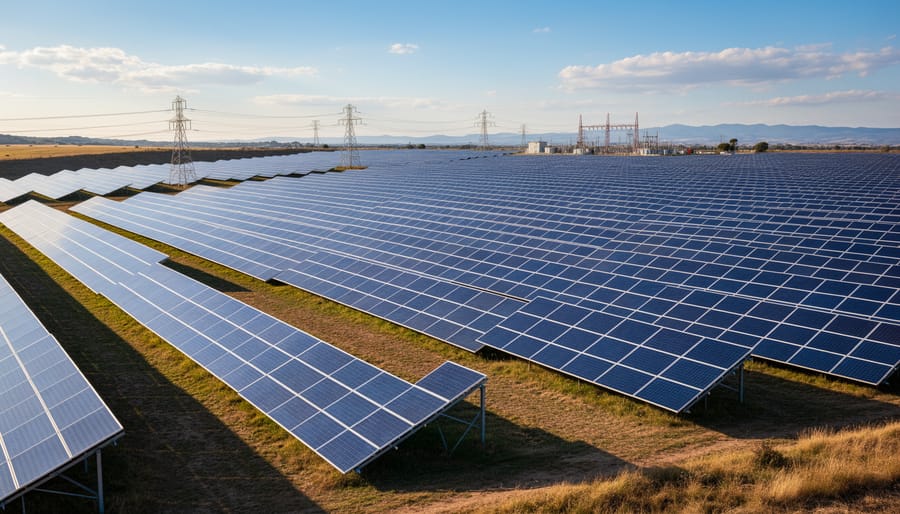
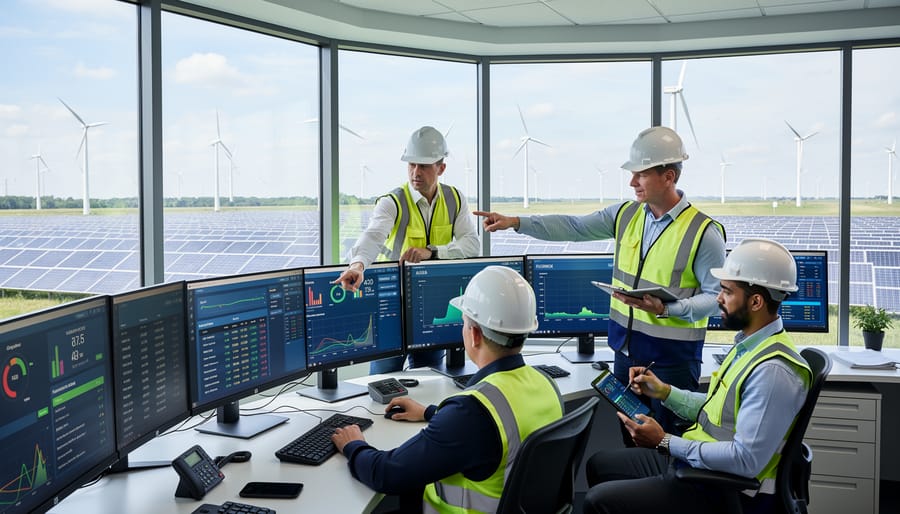
A typical shift at a large solar plant centers on the control room, where operators monitor real-time data from hundreds of inverters, weather stations, and grid connection points displayed across multiple screens. They track energy production against forecasts, watching for performance dips that signal equipment issues or unexpected shading. When an inverter fault alert appears, a common occurrence, the operator logs the issue, dispatches a field technician, and adjusts expected output calculations to inform grid schedulers.
Grid coordination happens throughout the day as operators communicate generation capacity to utility dispatchers, especially critical during morning ramp-up and evening ramp-down periods. They respond to curtailment requests when grid demand drops, safely reducing output within seconds. Modern plants with battery storage add another layer: operators decide when to charge batteries during peak solar hours and discharge stored energy after sunset, balancing economic optimization with grid service commitments.
The job requires constant attention rather than physical exertion. Operators work rotating shifts covering 24/7 operations, reviewing system logs, documenting performance metrics, and making judgment calls about whether minor anomalies warrant immediate action or can wait until the next maintenance window. Their decisions directly affect how much clean energy reaches homes and businesses.
Maintenance and Technical Troubleshooting
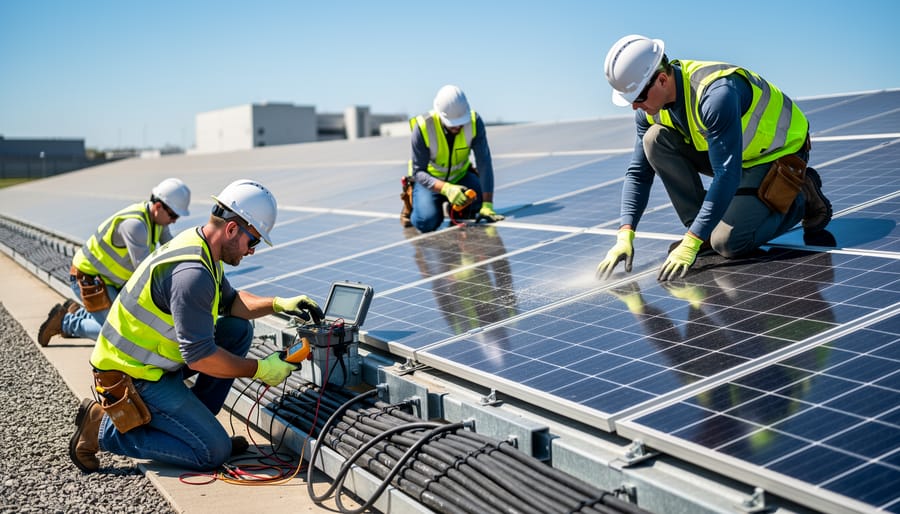
Solar technicians keep large facilities running through scheduled preventive maintenance that catches small issues before they escalate. They inspect arrays for damaged panels, loose connections, or debris buildup that reduces output. Electrical testing finds degraded wiring or faulty components, while inverter checks ensure conversion equipment operates within spec. This routine work directly extends equipment lifespan and maintains the high efficiency rates that make utility-scale solar economically viable.
When problems arise, technicians diagnose and repair quickly to minimize downtime. A tripped breaker, failed inverter module, or malfunctioning tracker requires systematic troubleshooting using diagnostic tools and technical documentation. Experienced technicians can identify patterns, like recurring alarms that point to a voltage regulator issue rather than individual panel failures. They swap components, test circuits, and verify repairs restore full capacity.
Battery storage systems add complexity that demands specialized knowledge. Technicians monitor thermal management, cell balancing, and charge cycles to prevent degradation. They respond to system faults that could affect grid delivery or safety, coordinating with operators to isolate issues without disrupting power flow.
This hands-on work requires a mix of electrical skills, mechanical aptitude, and problem-solving ability. Technicians often work outdoors in varying conditions, using lifts to access equipment and following strict safety protocols around high-voltage systems. The work is physical but rewarding, offering better median solar installer pay than many trades with comparable entry requirements.
Types of Skilled Jobs at Solar Energy Facilities
Operations and Control Room Positions
Plant operators work from control rooms where banks of monitors display real-time data on energy output, equipment status, and environmental conditions. They track production metrics across thousands of solar panels, watching for performance drops that signal maintenance needs. When a string of panels underperforms or an inverter throws an error code, operators initiate response protocols and dispatch field technicians to investigate.
Control room technicians handle the technical systems that collect and process this data. They monitor SCADA interfaces, verify sensor accuracy, and communicate with grid operators to coordinate power delivery schedules. These positions require constant attention, solar production fluctuates with weather changes, and operators must adjust forecasts and notify the utility when cloud cover affects output.
Shift supervisors coordinate the control room team, approve maintenance windows, and make operational decisions when systems behave unexpectedly. They’re the first point of contact during equipment failures or emergency shutdowns, managing both immediate response and communication with plant management.
Field Maintenance and Technical Roles
Field technicians form the hands-on workforce that keeps solar arrays running at peak efficiency. PV technicians climb among the rows of panels daily, inspecting for damage, cleaning surfaces when needed, testing connections, and replacing underperforming modules. In snowy climates, they keep panels clear to maintain energy production during winter months. Electrical technicians handle the higher-voltage work, troubleshooting inverters, transformers, and combiner boxes while ensuring all systems meet safety codes. Instrumentation specialists focus on the sensors, weather stations, and monitoring equipment that feed data to control rooms. These roles require comfort working outdoors in varied weather, the ability to read technical diagrams, and strong problem-solving skills when equipment fails unexpectedly. Many technicians start with electrical or HVAC backgrounds and transition into solar-specific work through on-site training.
Battery Storage and Grid Integration Specialists
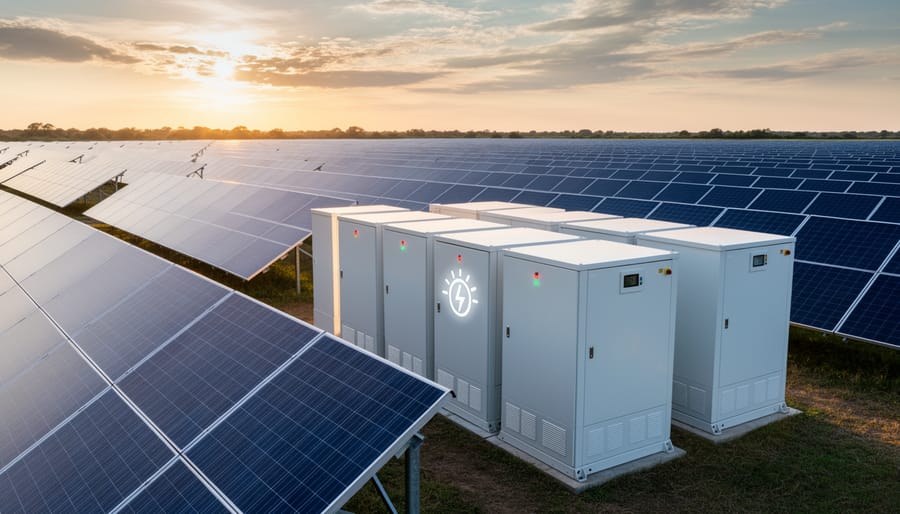
Battery storage specialists represent some of the newest and most sought-after positions at modern solar facilities. These technicians monitor and maintain large-scale battery systems that store excess solar energy during peak production hours and discharge it when the sun isn’t shining, effectively turning intermittent solar power into dispatchable electricity that utilities can count on.
Grid integration specialists work closely with battery operators to coordinate power delivery with utility requirements. They manage the communication systems connecting solar and storage assets to the electrical grid, ensuring seamless transitions between charging, discharging, and standby modes while meeting grid operator dispatch instructions.
These roles demand specialized knowledge of battery management systems, power electronics, and grid protocols. Because energy storage technology is rapidly evolving and critical to solar’s expansion, professionals with these skills command premium salaries and enjoy strong job security.
What Solar Operators and Technicians Earn
Entry-Level Technician Earnings
Entry-level solar technicians and plant operators typically earn between $35,000 and $48,000 annually, with most starting positions in the $40,000 to $45,000 range. These roles require a high school diploma plus relevant certifications such as NABCEP PV Associate or OSHA safety credentials, which can be completed in a few months at community colleges or technical schools.
Starting pay varies by region, Arizona facilities often offer $38,000 to $46,000 for entry positions, and whether the plant includes battery storage systems, which tend to command slightly higher wages. Many solar facilities provide on-the-job training during the first six to twelve months, allowing new technicians to develop practical skills while earning. Shift differentials for evening or weekend work can add $2,000 to $5,000 to base salaries, and most positions include health benefits and paid time off from day one.
Experienced Operator and Specialist Compensation
Mid-career solar plant operators typically earn between $55,000 and $75,000 annually, with compensation reflecting five to ten years of field experience and demonstrated system expertise. Senior operators managing complex facilities often command $70,000 to $90,000, particularly when they hold supervisory responsibilities or advanced certifications in high-voltage systems.
Specialists with battery storage expertise represent the upper tier of technical compensation. These professionals earn $65,000 to $95,000 depending on their role depth, as energy storage integration requires understanding both electrical systems and sophisticated control algorithms. High-voltage electrical technicians with certifications to work on utility-scale equipment typically see salaries from $60,000 to $85,000.
Geographic location significantly influences these ranges. Solar facilities in Arizona and other Sun Belt states may offer competitive packages to attract experienced talent, especially for positions requiring round-the-clock operational coverage. Specialists who can troubleshoot inverter systems, manage grid interconnection equipment, or optimize battery dispatch strategies position themselves at the higher end of compensation scales.
Benefits and Career Growth Potential
Beyond base salaries, solar plant operators and technicians typically receive comprehensive benefits packages that significantly increase total compensation. Most utility-scale facilities offer health insurance, retirement plans with employer matching, and paid time off. Many positions include shift differentials for evening or weekend work, with overtime pay during peak maintenance periods or emergency repairs pushing annual earnings 15-25% above base rates.
Career advancement paths are clearly defined in solar operations. Entry-level technicians often move into senior technician roles within 2-3 years, gaining specialized certifications in high-voltage systems or battery storage technology. Operators can progress to shift supervisor positions, then plant manager roles that command $75,000-$95,000 annually. Some technicians transition into engineering support or training coordinator positions.
Companies developing large projects like those in Arizona frequently promote from within, creating ladders from field positions to operational management. Continuing education support and certification reimbursement programs help workers build expertise in emerging technologies, making solar careers increasingly valuable as the renewable energy sector expands.
Skills and Training Required for Solar Plant Jobs
Most solar plant jobs don’t require a four-year degree. A high school diploma or GED combined with targeted technical training opens the door to entry-level positions, and many workers advance their skills through employer-sponsored programs and hands-on experience once hired.
Technical and vocational schools offer solar photovoltaic installation and maintenance certificate programs that typically run six months to a year. These programs teach electrical fundamentals, solar system design, safety protocols, and hands-on troubleshooting. Community colleges throughout Arizona and other states with growing solar industries have developed specialized curricula specifically for utility-scale operations, often partnering with energy companies to align training with actual job requirements.
Certifications boost employability and earning potential. The North American Board of Certified Energy Practitioners (NABCEP) offers industry-recognized credentials that employers actively seek:
- NABCEP PV Installation Professional Certification for technicians working with photovoltaic systems
- OSHA 10 or OSHA 30 safety certifications for construction and industrial work environments
- Electrical apprenticeship programs leading to journeyman electrician licenses
- First Aid and CPR certifications required for field positions
- Specialized battery energy storage system training for emerging roles
- Arc flash safety and high-voltage training for electrical work
Apprenticeships combine classroom instruction with paid on-the-job training, allowing workers to earn while they learn. The International Brotherhood of Electrical Workers (IBEW) and other trade organizations sponsor programs that place apprentices at solar facilities where they work alongside experienced technicians. These paths typically span two to four years and culminate in journeyman status.
Strong math skills matter, particularly algebra and basic trigonometry for calculating electrical loads and system performance. Mechanical aptitude and comfort working with tools, diagnostic equipment, and computer systems are essential. Many operators monitor plant performance through sophisticated software platforms, so basic computer literacy is expected.
Physical requirements vary by role but generally include the ability to work outdoors in heat, climb ladders, and lift equipment. Field technicians spend most of their time outside, while control room operators work primarily indoors.
Entry-level positions often provide on-the-job training that builds specialized knowledge about specific equipment brands, plant layouts, and operational procedures. Workers without prior solar experience but with electrical, HVAC, or industrial maintenance backgrounds transition successfully by applying their existing technical foundation to renewable energy systems.
Economic Impact on Local Communities
Large solar plants deliver economic benefits that extend far beyond the payroll of operators and technicians. When a utility-scale facility begins operation in a community, it creates a foundation for sustained local prosperity through multiple channels.
The most visible impact comes through direct employment. A single large solar plant typically maintains 15 to 30 permanent positions for operations and maintenance, with operators and technicians earning competitive wages that circulate through local businesses. These are stable, long-term jobs that don’t disappear when construction ends. Workers spend their earnings at nearby restaurants, shops, and service providers, creating a multiplier effect throughout the regional economy.
Property tax revenue represents another significant contribution. Large solar facilities pay substantial annual taxes to counties and school districts, often generating hundreds of thousands of dollars that fund local services, infrastructure improvements, and educational programs. Unlike residential development, solar plants require minimal public services while contributing steady tax income for decades.
Projects like Sonor Sun Energy’s Arizona developments also create indirect employment opportunities. Local contractors provide ongoing services including security, landscaping, and facility maintenance. Parts suppliers, equipment vendors, and professional service firms benefit from the facility’s operational needs. Communities near solar plants often see small business growth as the local economy strengthens.
The stability of renewable energy projects matters for community planning. While fossil fuel facilities can close suddenly due to market shifts or regulatory changes, modern solar plants have 30 to 40-year operational lifespans with predictable revenue streams. This long-term commitment allows communities to plan infrastructure investments and workforce development programs with confidence.
Beyond direct economic measures, solar facilities demonstrate to other businesses that a community welcomes clean energy innovation. This can attract additional renewable energy investment and position the region as a hub for emerging technologies like battery storage systems, creating pathways for career advancement as the industry evolves.
Common Questions About Solar Plant Careers
Is working at a solar plant a stable long-term career?
Yes, solar facilities typically operate for 25-30 years or longer with continuous maintenance and monitoring needs. As more plants come online and existing facilities age, demand for skilled operators and technicians continues growing rather than declining.
What’s the typical work schedule for solar plant operators?
Most large facilities operate with rotating shift schedules covering 24/7 monitoring, though daytime shifts are more common since peak generation occurs during sunlight hours. Some positions follow standard weekday schedules, while control room operators often work 12-hour shifts with several days off between rotations.
Do you need a college degree to work at a solar plant?
No, most operator and technician positions require vocational training, industry certifications, or an associate degree rather than a four-year college degree. Many workers enter through apprenticeship programs or technical schools and gain specialized skills through on-the-job training.
How physically demanding is solar plant maintenance work?
Field technician roles involve moderate physical activity including walking the facility grounds, climbing ladders, and working outdoors in various weather conditions. Control room operators have less physically demanding roles focused on system monitoring and coordination.
Solar careers also contribute to broader energy goals beyond the facility itself. Workers in this field gain knowledge about power systems and grid operations that translates to understanding how to save energy in winter and optimize consumption patterns throughout the year. This expertise makes solar professionals valuable resources in their communities for explaining renewable energy benefits and practical efficiency measures.
The renewable energy sector offers strong job security because utility-scale solar represents long-term infrastructure investment rather than temporary projects. Unlike construction jobs that end when a facility is built, operations and maintenance positions continue throughout the plant’s decades-long lifespan. As battery storage integration expands, technicians with specialized training in these systems command premium salaries and enjoy excellent career mobility across the growing clean energy industry.
Large solar plants are creating accessible, well-paying career paths that strengthen local economies while advancing clean energy goals. Operators and technicians at these facilities earn competitive wages ranging from $45,000 for entry-level positions to over $85,000 for experienced specialists, with clear pathways for advancement into supervisory and engineering roles. These aren’t temporary construction jobs. They’re permanent positions requiring skilled workers to monitor systems, maintain equipment, and ensure reliable energy delivery year after year.
The growth trajectory for solar employment remains strong as communities recognize both the environmental and economic benefits of renewable energy infrastructure. Projects like those Sonor Sun Energy is developing in Arizona demonstrate how utility-scale solar facilities can anchor local job markets with positions that require technical training rather than advanced degrees, making them attainable for a broad range of workers. Battery storage integration is expanding the skillset required and creating additional specialized roles with even higher earning potential.
For communities evaluating energy projects, the employment equation is compelling. A single large solar facility generates dozens of permanent skilled positions, contributes substantial tax revenue, and provides stable careers in a growing industry. As solar technology advances and more facilities come online, these opportunities will multiply, offering workers the chance to build expertise in a field that combines technological innovation with community benefit.